
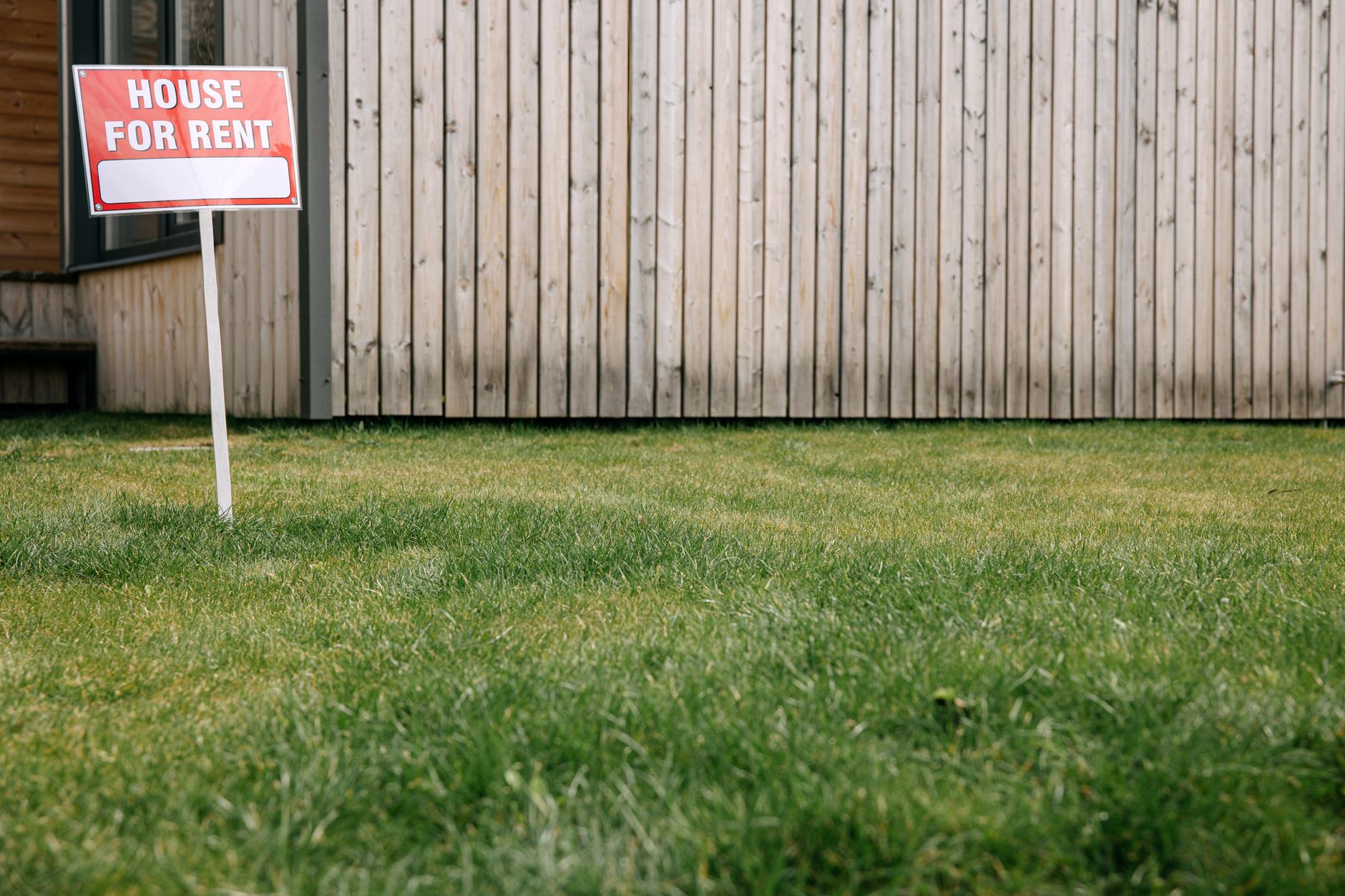
UK property asking prices have edged higher, marking the first increase since May. This shift indicates a potential change in the real estate market dynamics as reported by Rightmove.
Current Trends in UK Property Prices
Recent data indicates that UK property asking prices are experiencing a notable increase, marking the first monthly rise since May, as reported by Rightmove. This upward trend has sparked discussions among potential buyers and sellers regarding the sustainability and implications of these price changes.
In September, the average asking price for homes rose by 1.1%, bringing the average to £365,173. This increase is significant, considering the economic challenges faced in recent months, including rising interest rates and ongoing inflation. Experts suggest that the recent uptick in property prices may be attributed to a combination of factors:
- Increased demand from buyers seeking to secure properties before potential further interest rate hikes.
- Limited housing supply, which continues to pressure prices upward.
- Seasonal trends, as autumn traditionally sees a surge in property transactions.
While this rise in asking prices may present opportunities for sellers, potential buyers are left weighing the value against the current economic landscape. As the market evolves, many are left questioning whether the current asking prices truly reflect the worth of properties in the UK.
Factors Influencing Property Prices
The landscape of UK property asking prices is influenced by a variety of factors that can sway both buyers and sellers in the market. Understanding these elements is crucial for assessing whether the recent increases are justified.
- Supply and Demand: A key driver of property prices is the balance between supply and demand. In many areas, there is a notable shortage of homes for sale, leading to heightened competition among buyers and pushing asking prices upwards.
- Interest Rates: The Bank of England’s decisions on interest rates play a significant role in the housing market. Lower rates generally make mortgages more affordable, thereby stimulating demand and influencing UK property asking prices.
- Economic Conditions: The overall health of the economy, including employment rates and consumer confidence, impacts buyers’ willingness to invest in property. A strong economy often correlates with rising property values.
- Government Policies: Initiatives such as Help to Buy or changes in stamp duty can incentivize buyers, affecting the dynamics of property prices across the UK.
As these factors interact, they create a complex environment that shapes the current asking prices on the market.
Rightmove’s Latest Report Insights
Rightmove’s latest report offers a comprehensive view of the recent shifts in UK property asking prices, revealing an upward trend for the first time since May. The report highlights that the average asking price for properties has risen, prompting discussions about whether these increases are justified.
Key insights from the report include:
- Monthly Increase: The average asking price has edged higher by 1.1%, suggesting renewed confidence among sellers.
- Regional Variations: Certain areas have experienced more significant increases, particularly in the North West and South East, which may reflect localized demand.
- Market Sentiment: Agents report a steady flow of inquiries, indicating that buyers are still interested despite economic uncertainties.
- Supply Challenges: A limited number of properties on the market may be contributing to the rise in asking prices, as fierce competition among buyers persists.
As the UK property market continues to evolve, the implications of these trends on buyer behavior and long-term price stability remain to be seen. Evaluating whether the current asking prices are worth the rise is crucial for potential buyers navigating this dynamic landscape.
Impact of Rising Prices on Buyers
The recent rise in UK property asking prices has raised concerns among potential buyers about affordability and market sustainability. As prices continue to climb, many are questioning whether these increases are justified or if they signal an unsustainable trend.
For first-time buyers, the situation can be particularly challenging. With the average asking price now surpassing previous records, many are finding it increasingly difficult to enter the market. The rising prices have led to a growing sentiment that homeownership may be slipping out of reach for a significant portion of the population.
Additionally, existing homeowners are also feeling the impact. While some may benefit from increased equity, others may hesitate to sell, fearing they cannot find suitable replacements without facing inflated prices themselves.
Experts suggest that the current dynamics require careful consideration. As demand continues to outstrip supply, the sustainability of rising UK property asking prices remains uncertain. Buyers are advised to conduct thorough research and consider their long-term financial situations before making significant commitments.
- Affordability concerns for first-time buyers
- Potential hesitation from current homeowners
- Need for careful research before purchasing
Historical Context of UK Property Prices
The historical context of UK property asking prices reveals a complex landscape shaped by various economic and social factors. Over the past two decades, the housing market has experienced significant fluctuations, influenced by changes in interest rates, government policies, and economic conditions.
In the early 2000s, the UK property market saw a boom, with asking prices rising sharply. This trend was driven by several elements, including low mortgage rates and an increase in demand from first-time buyers. However, the 2008 financial crisis led to a dramatic downturn, causing asking prices to plummet in many areas.
Following a period of recovery, the market began to stabilize around 2013, with a slow but steady increase in property values. By 2016, asking prices reached new heights, largely buoyed by government initiatives such as Help to Buy. Nevertheless, the uncertainty surrounding Brexit introduced volatility, leading to fluctuations in asking prices across regions.
As of late 2023, recent reports indicate that UK property asking prices are once again on the rise, prompting questions about their sustainability and whether they accurately reflect market demand.
Future Predictions for the Housing Market
As the UK property asking prices continue to trend upwards, industry experts are making predictions about the future of the housing market. Many analysts believe that the current rise in asking prices may not be sustainable in the long term. Factors such as economic uncertainty, inflation, and interest rates could play a significant role in shaping the market.
Several key predictions have emerged:
- Stabilization of Prices: Some experts anticipate that asking prices will stabilize in the coming months as buyers become more cautious and demand slows down.
- Regional Variations: Predictions suggest that different regions may experience varied outcomes, with urban areas potentially seeing a greater decline compared to rural locations.
- Impact of Government Policies: Changes in government policies, such as tax incentives or housing schemes, could influence property prices and help maintain market activity.
- Long-term Growth: Despite short-term fluctuations, many analysts remain optimistic about the long-term growth of UK property asking prices, driven by a fundamental housing shortage.
In conclusion, while the rise in asking prices raises questions about affordability, it also invites speculation about the housing market’s resilience in facing future challenges.
Photo by Ivan S on Pexels
Sources
Related reading
- Archit Bagaria Savorworks: Best Proven Strategy for Growth
- Airbnb housing projects: Proven $250M commitment to build
- DESOLUS launch date: Exciting news for gamers!
About the Author





1 thought on “UK property asking prices: Are they worth the rise?”
Comments are closed.