
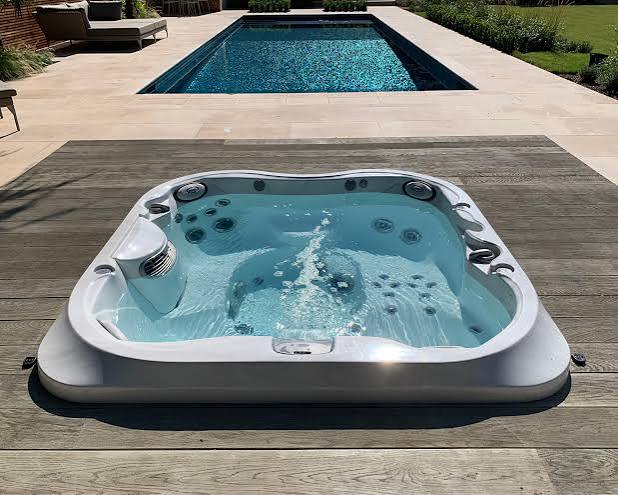
Prepare for a professional pool closing appointment by organizing information and access, then following the provider’s specific preparation instructions. The owner does not need to begin winterizing equipment to be helpful. A clear description of the pool, its features and any unresolved issues gives the technician a better starting point and reduces avoidable confusion during the visit.
Book for the pool you actually have
When arranging the appointment, describe the current installation rather than relying on last year’s booking details. Mention features or equipment added since the previous closing. A new water feature or changed component may affect the scope the provider needs to consider. The service company should determine the appropriate work after receiving accurate information about the system.
Confirm what the quoted closing includes and what remains the owner’s responsibility. Service descriptions can differ, and a familiar label may cover different arrangements. Ask the provider to explain the specific package offered for your pool. A complete understanding of responsibilities is more useful than assuming that one seasonal visit includes every task associated with the yard.
Discuss the timing with the provider using the household’s intended use and the requirements of the actual system. Avoid choosing a date solely because a neighbour closes on that day or a general article suggests a universal deadline. Confirm that the requested appointment has been accepted and ask how changes to the schedule will be communicated. If travel overlaps the appointment, settle the contact and access arrangements when booking. The provider should know whether the owner will be on site or whether another agreed person will handle the visit.
Find the relevant equipment and cover information before the booking conversation. If you are a new owner, say which details have not yet been verified. A service professional may request photographs or arrange an assessment. Do not identify an unfamiliar system by guessing from a similar-looking model online; uncertainty is useful information when stated plainly.
Separate unresolved problems from seasonal preparation
A closing appointment should not silently inherit a repair concern the provider has never been told about. Describe any observed equipment messages, suspected damage or other unresolved issues when booking. The service team can explain whether they need separate assessment, additional time or a different visit. A closing scope is not automatically a diagnostic appointment.
Use observations rather than conclusions. Record when a condition appeared and any previous professional advice. If an issue is already under investigation, keep those notes available. Avoid assuming that the end of the swimming season makes an outstanding concern irrelevant. The provider needs the context to advise what should happen before, during or after the closing work.
Inspect paperwork, not concealed equipment. You can gather recent service reports and identify the people who performed earlier work without opening panels or altering settings. Let the technician determine what inspection is appropriate. The useful preparation is a clear history, not a set of attempted repairs that creates a second problem to explain.
If the pool’s cover or associated parts have been stored separately, tell the provider what is available and where it is located. Ask whether anything needs to be reviewed in advance. Do not improvise substitute parts or assume an unidentified item is suitable. A missing component is easier to discuss before the technician is working against the day’s schedule.
Make the visit practical without touching the technical work
Confirm the access route and arrange for pets and household activity to stay clear of the work area. Move ordinary personal belongings only where it is safe and appropriate to do so. The technician should be able to reach the agreed areas without the owner leaving the pool enclosure unsecured or shifting technical equipment.
Keep pool chemicals in their appropriate storage arrangement rather than assembling an improvised collection near the equipment. Health Canada’s chemical guidance calls for following product storage directions and retaining original containers. If the provider needs access to particular products, ask how to make that available safely within those instructions.
Make sure the household has the current contact and scope details. You can review the seasonal pool-service information from Jameson Pool & Spa, which lists pool openings and closings among its services. Confirm the preparation requirements directly for the booked visit; a general service page does not replace instructions for the particular installation.
Arrange for an authorized person to be reachable if the technician identifies a matter requiring a decision. Clarify whether that person needs to be present and how additional work would be approved. If another household member will handle the appointment, give them the agreed scope and known issues so the conversation does not restart from memory.
Keep the closing record for next spring
After the visit, retain the service record and ask the provider to clarify any outstanding recommendation. Record what was completed and what requires a later appointment. A vague note saying pool closed loses information that may matter when the household next discusses the system. Keep the provider’s wording where technical details are involved.
Ask what owner responsibilities continue after the closing, using the provider’s and manufacturer’s instructions for your installation. Do not assume the seasonal appointment removes every future task or concern. Keep any recommended follow-up dates with the record, and direct unfamiliar conditions to the professional instead of experimenting with a winterized system.
Before putting the file away, imagine the person arranging next spring’s opening. Leave them the closing date, provider details, confirmed work and unresolved questions in one place. That small administrative handover can preserve the useful knowledge from the final appointment long after the household has moved on to other seasonal chores.
About the Author