
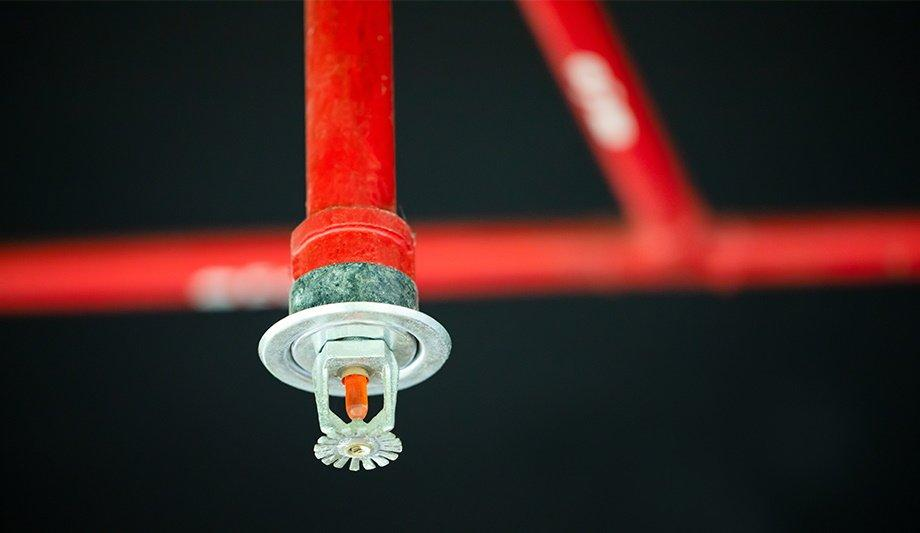
In multi-unit buildings like apartments and condos, a burst sprinkler line can create a major emergency in just minutes. Sprinkler systems are designed to protect residents from fire, but during freezing weather these same systems can become vulnerable to ruptures. When a sprinkler line bursts, large amounts of water pour through ceilings, walls, and hallways, affecting multiple units at once. Knowing what to do right away can help reduce damage and keep residents safe.
Why Sprinkler Lines Burst in Freezing Conditions
Sprinkler systems hold water under pressure, and when temperatures drop too low, that water can freeze inside the pipes. Ice expands and puts stress on the metal, eventually causing cracks or full ruptures. When the ice thaws, water gushes out, often without warning.
Unheated hallways, parking garages, stairwells, and storage rooms are some of the most common places for sprinkler line freezes. Older buildings may also have pipes with worn insulation or poor temperature control, which increases the risk during cold spells.
Warning Signs of a Potential Sprinkler Line Failure
It is possible to catch early signs before a sprinkler line bursts. Look for small leaks or drips around sprinkler heads, unusual hissing sounds in the walls, or staining on ceilings that grows over time. During freezing weather, frost on exposed pipes is a clear sign that they are at risk.
In shared buildings, residents may notice temperature drops in common areas. If a hallway or stairwell feels unusually cold, the pipes inside the walls may be exposed to freezing conditions.
Immediate Steps to Take After a Sprinkler Line Bursts
Once a sprinkler line ruptures, every second matters. First, notify building maintenance, property management, emergency plumbers or the condo association immediately. They will know where the emergency shutoff valves are located. The sooner the water is turned off, the less damage will spread to other units.
If it is safe to do so, help direct water away from belongings and move residents out of flooded areas. Never touch electrical outlets, wiring, or appliances if water is present. Document all damage with photos and videos for insurance claims. If your unit is affected, remove items from the floor and begin drying small puddles while waiting for professional help.
How Professionals Respond to Sprinkler Line Breaks
Sprinkler line breaks in multi-unit buildings require fast, organized restoration. Professional teams begin by extracting standing water and preventing it from spreading to other floors or hallways. They place air movers, dehumidifiers, and moisture sensors throughout the affected areas to dry the building quickly and safely.
Because water travels easily between units, professionals check behind walls, under flooring, and inside ceilings to find hidden moisture. They work closely with property managers, insurance carriers, and residents to ensure every unit receives proper cleaning and repairs.
“Sprinkler line breaks can affect dozens of people at once,” says David Rogers, owner of Service Pro Restoration. “Quick professional response reduces disruption and prevents long-term moisture damage across the building.”
Preventing Sprinkler Line Bursts in Winter
Property managers and condo associations should inspect sprinkler systems before freezing weather arrives. Adding insulation to exposed pipes, monitoring temperatures in common areas, and sealing gaps that let cold air into utility rooms all help reduce the risk of freezing.
Residents can assist by reporting cold rooms, drafts, leaks, or strange pipe noises. Even small signs can warn building staff that something needs attention before a major failure occurs.
Keeping Multi-Unit Buildings Safe During Winter
A burst sprinkler line can quickly flood hallways, units, and common areas, but quick action and professional restoration help make recovery much easier. By staying alert to early warning signs, responding quickly during emergencies, and working with trained restoration teams, apartment and condo communities can stay safe even during the harshest winter weather.
About the Author