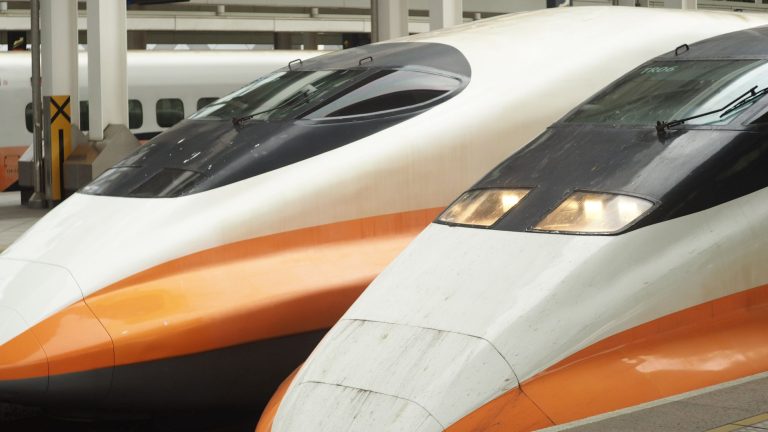
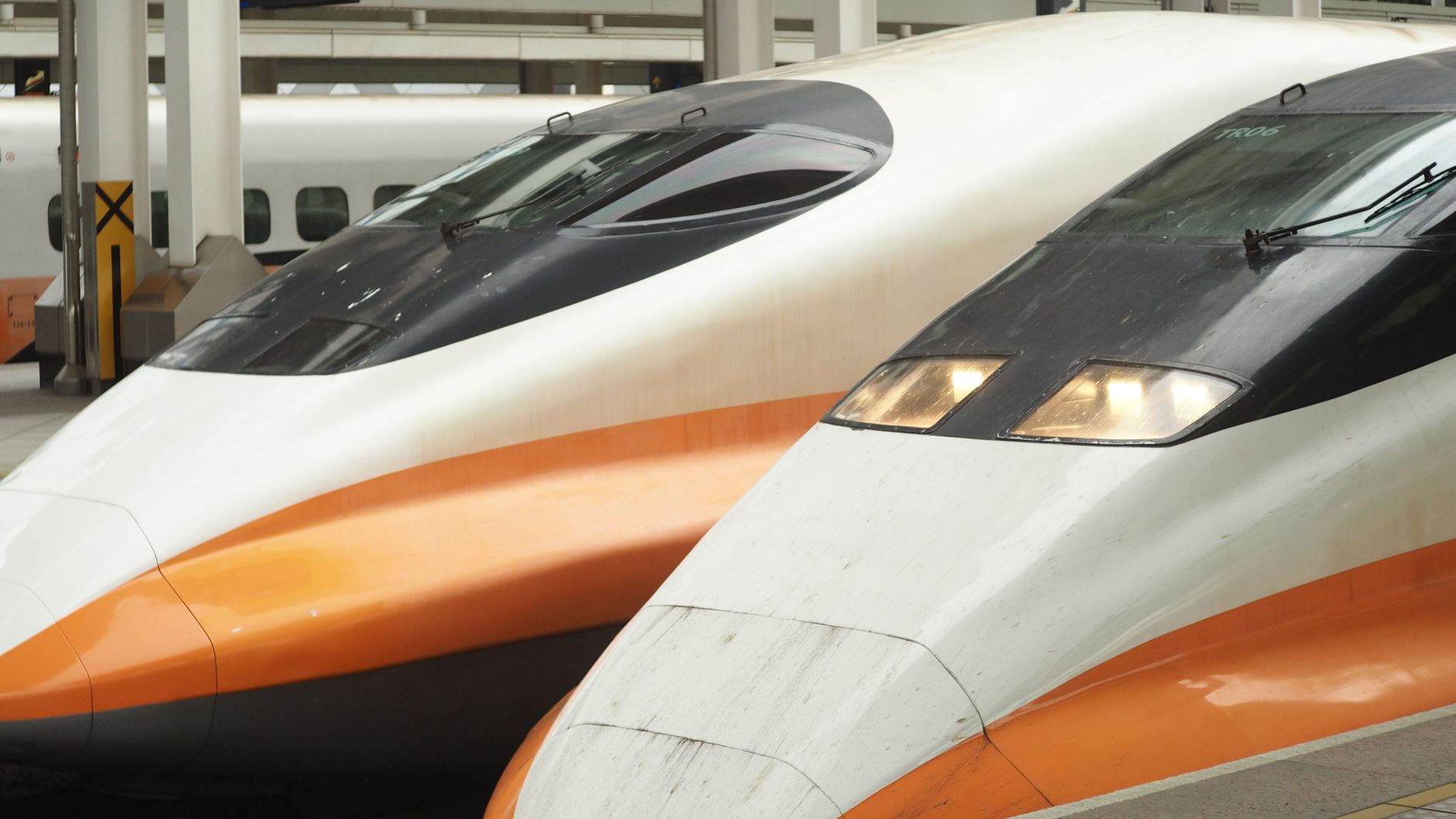
India bullet train project has taken a significant step forward with the completion of the test coach. This development is a crucial milestone for the country’s ambitious infrastructure goals.
Overview of India’s Bullet Train Project
The India bullet train project represents a significant leap in the country’s transportation infrastructure, aiming to enhance connectivity between major cities. This ambitious initiative is a collaboration between India and Japan, incorporating advanced technology and expertise from the Japanese Shinkansen system.
Recently, the project reached a critical milestone with the completion of the test coach, which marks a pivotal step toward the operational rollout of the bullet train services. This test coach is designed to undergo rigorous evaluations to ensure safety, speed, and efficiency standards are met before the full service begins.
The bullet train is expected to dramatically reduce travel time between cities. For instance, the journey between Mumbai and Ahmedabad, which typically takes over 7 hours by conventional rail, is anticipated to be shortened to just over 2 hours with the new service. This improvement in travel efficiency will not only benefit commuters but also bolster economic activity along the route.
Furthermore, the project aims to create thousands of jobs during its construction and operation phases, contributing positively to the local economies. As the India bullet train project progresses, it continues to garner attention for its potential to revolutionize the railway landscape in India, making high-speed travel a reality for millions.
Recent Developments in Infrastructure
Recent developments in the India bullet train project have marked significant progress, highlighting the government’s commitment to enhancing the country’s infrastructure. The completion of the test coach is a notable milestone, showcasing advanced technology and engineering capabilities.
The bullet train, which will connect Mumbai and Ahmedabad, is expected to revolutionize travel between these two major cities. As part of the project, several key components are being developed:
- Test Coach Completion: The test coach serves as a prototype for future trains, allowing engineers to assess design and performance.
- Track Construction: Work on the rail tracks is ongoing, with sections being laid to accommodate high-speed travel.
- Station Development: New stations are being designed to handle the anticipated passenger influx, ensuring efficiency and comfort.
- International Collaboration: The project involves partnerships with Japanese firms, bringing in expertise and technology from established bullet train systems.
These advancements not only pave the way for the India bullet train project but also reflect a broader initiative to modernize transportation infrastructure across the country. As the project progresses, it is expected to create jobs and boost economic growth, reinforcing India’s position on the global stage.
Significance of the Test Coach Completion
The completion of the test coach for the India bullet train project marks a significant milestone in the country’s ambition to revolutionize its rail transport system. This development is not merely a technical achievement but also a reflection of India’s commitment to modernizing its infrastructure to meet the demands of a rapidly growing economy.
The significance of this milestone can be understood through several key aspects:
- Technological Advancement: The test coach incorporates advanced technology and design, paving the way for efficient and rapid travel across vast distances.
- Economic Impact: The project is expected to create numerous jobs during its construction and operational phases, contributing to economic growth and development.
- Environmental Benefits: By promoting high-speed rail travel, the project aims to reduce carbon emissions and reliance on road and air transport, making it a more sustainable option for commuters.
- Enhanced Connectivity: The bullet train will facilitate faster and more reliable connectivity between major cities, ultimately benefiting both business and tourism sectors.
As the India bullet train project progresses, the successful completion of the test coach serves as a beacon of progress, showcasing the potential for a transformative impact on the nation’s transport landscape.
Future Prospects for High-Speed Rail in India
The future of high-speed rail in India looks promising as the India bullet train project continues to gain momentum. With the successful completion of the test coach, stakeholders are optimistic about the potential impact on connectivity and economic growth across the nation.
Several factors indicate a bright future for high-speed rail in India:
- Enhanced Connectivity: The bullet train will significantly reduce travel time between major cities, making it easier for people to commute for work or leisure.
- Economic Growth: Improved transportation infrastructure is expected to boost local economies, attracting investments and creating job opportunities.
- Environmental Benefits: High-speed trains produce lower emissions compared to traditional modes of transport, contributing to India’s sustainability goals.
- Technological Advancements: The project is likely to usher in new technologies and innovations in railways, setting a precedent for future developments in the sector.
In addition to these prospects, collaboration with international partners can accelerate knowledge transfer and implementation of best practices. As the India bullet train project progresses, it serves not only as a modern transportation solution but also as a symbol of India’s commitment to embracing modernity while addressing the challenges of urbanization.
Photo by mingche lee on Pexels
Read the original
Related stories
Hard Rock hotel Malta: The Best Proven Experience Awaits · Prepare for a Pool Closing Appointment Before the Technician Arrives · What to rent after finished rec room in Markham with a door swing that blocks equipment placement in mind
About the Author