
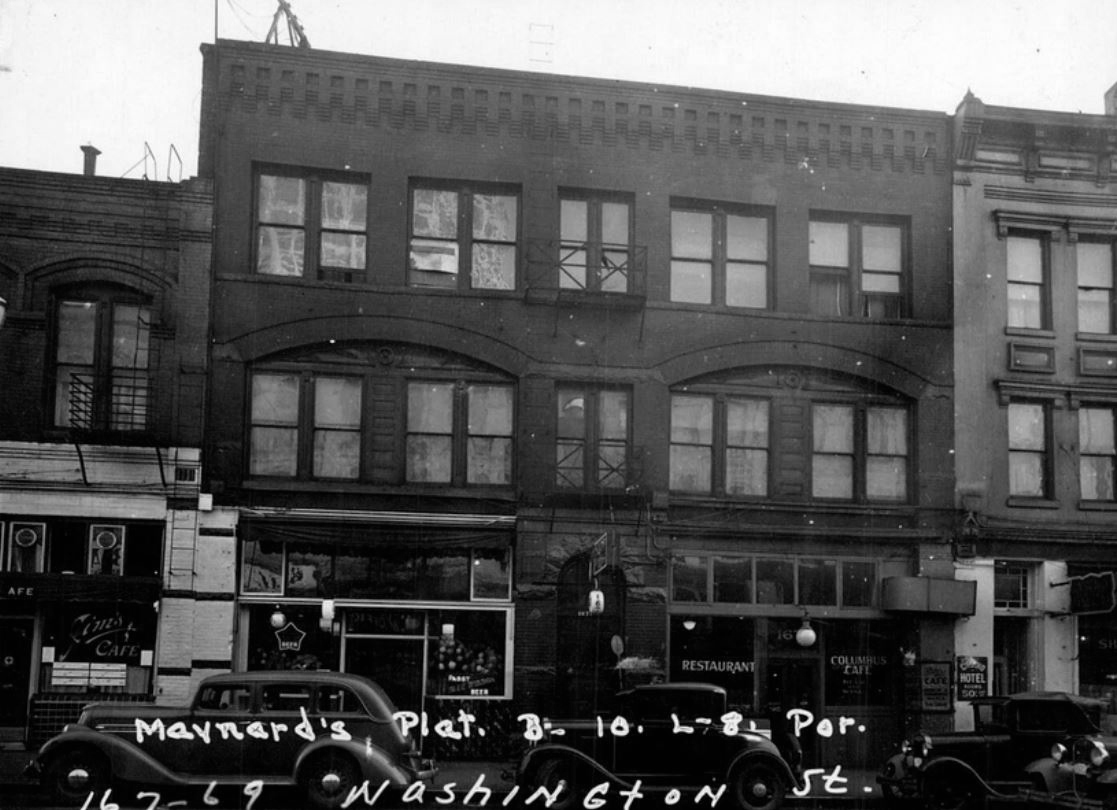
Vacant property resort plans are underway as a man seeks to transform an unused space into a thriving destination. This initiative aims to boost local tourism and create jobs.
Overview of the Resort Plans
The plans for the vacant property resort are ambitious and well thought out, aiming to transform the currently unused land into a thriving destination for travelers. The developer envisions a modern resort that caters to a variety of guests, from families to couples looking for a romantic getaway.
Key features of the proposed resort include:
- Luxury accommodations: A mix of hotel rooms and private villas designed for comfort and relaxation.
- Recreational facilities: Swimming pools, a spa, and fitness centers that promote wellness and leisure activities.
- Dining options: Restaurants that offer local cuisine and international dishes, ensuring that guests have a memorable culinary experience.
- Outdoor activities: Access to hiking trails, water sports, and guided tours to explore the natural beauty of the surrounding area.
The developer believes that this vacant property resort will not only attract tourists but also create job opportunities for local residents. With the proper investment and planning, the project aims to boost the local economy and foster sustainable tourism in the region. Community involvement is expected to be a key part of the development process, ensuring that the resort meets the needs and values of the local population.
Impact on Local Tourism
The transformation of a vacant property into a resort has the potential to significantly boost local tourism. As communities look for ways to attract visitors, investing in a vacant property resort can serve as a catalyst for economic growth.
By converting unused land into a vibrant destination, local businesses are likely to benefit from an increase in foot traffic. This can lead to:
- Increased Spending: Tourists will spend money on accommodations, dining, shopping, and local attractions, providing a much-needed influx of cash into the community.
- Job Creation: The resort will require staff for various operations, leading to job opportunities for local residents.
- Enhanced Infrastructure: Investments in the resort may prompt local governments to improve roads, public transport, and other essential services, benefiting both tourists and residents.
- Community Events: A resort can host festivals, retreats, and other events that draw visitors and foster community engagement.
As more travelers seek unique experiences, a vacant property resort can position itself as a key player in the tourism landscape, ultimately enriching the local economy and enhancing the area’s appeal.
Investment Opportunities
The transformation of a vacant property into a resort presents numerous investment opportunities for savvy investors. With the growing demand for unique travel experiences, investing in a vacant property resort can yield significant returns.
Key advantages of investing in a vacant property resort include:
- High Demand: The rise of eco-tourism and wellness retreats has increased interest in resorts that offer unique experiences, making such investments particularly appealing.
- Potential for Appreciation: As the resort develops and attracts visitors, property values in the area are likely to increase, providing a profitable exit strategy for investors.
- Diverse Revenue Streams: A resort can generate income through various channels, including accommodations, dining, events, and recreational activities, creating a stable financial foundation.
- Community Engagement: Investing in a vacant property resort often leads to partnerships with local businesses, enhancing community ties and boosting local economies.
Furthermore, the shift towards remote work has led many individuals to seek out vacation properties for longer stays, making the potential for occupancy rates even higher. By carefully evaluating the market and leveraging strategic marketing, investors can maximize the potential of a vacant property resort.
Community Reactions
Community reactions to the proposed vacant property resort have been mixed, with some residents expressing excitement about the potential economic benefits, while others voice concerns over environmental impact and changes to the local landscape.
- Supporters of the resort highlight the job creation that could result from its development. Local businesses anticipate a boost in sales as tourism increases, leading to a revitalization of the area.
- Many residents believe that the vacant property resort could attract visitors year-round, which would help sustain local shops and services.
- Conversely, opponents worry about the environmental consequences of such a large-scale project. Concerns about increased traffic, noise, and strain on local resources have been raised in community forums.
- Some locals fear that the resort may lead to a rise in property prices, making housing less affordable for long-time residents.
As discussions continue, it is clear that the future of the vacant property resort will hinge on balancing economic growth with community values and environmental preservation. Town hall meetings are scheduled to address these concerns and gather further input from residents.
Timeline for Development
The timeline for the development of the vacant property resort is crucial for potential investors and community members alike. Initially, the planning phase is expected to take approximately six months, during which detailed architectural designs and environmental assessments will be conducted. This phase will ensure that the project complies with local regulations and meets community standards.
Following the planning phase, the construction phase is projected to last around 18 months. This period will involve the actual building of the resort facilities, including guest accommodations, recreational areas, and dining establishments. Stakeholders have emphasized the importance of using local materials and labor to foster community involvement and economic growth.
Once construction is completed, a soft opening is anticipated, allowing the developers to fine-tune operations based on initial guest feedback. This soft opening will last for three months before the grand opening, during which marketing efforts will ramp up to attract tourists from nearby cities and beyond.
Throughout this timeline, regular updates will be provided to the community to maintain transparency and foster a sense of ownership in the project. Ultimately, the successful completion of the vacant property resort is expected to bring long-term benefits to the local economy.
Challenges Ahead
While the prospect of transforming a vacant property into a resort is enticing, several challenges lie ahead that investors must navigate carefully.
First and foremost, securing the necessary permits and approvals can be a lengthy and complex process. Local governments often have stringent regulations regarding land use, environmental impact, and zoning laws that must be adhered to. This can lead to delays and increased costs.
Additionally, the competition in the hospitality industry is fierce. Many existing resorts and hotels are already established in the area, making it difficult for a new venture to attract guests. Effective marketing strategies will be necessary to carve out a niche and draw visitors to the vacant property resort.
Another significant hurdle is financing. Investors will need to present a solid business plan that outlines projected costs, revenue, and the expected return on investment. In a fluctuating economy, securing funds can be particularly challenging.
Finally, ongoing operational challenges, such as staffing, maintenance, and customer service, require careful planning and execution. Addressing these issues will be critical to ensure the long-term success of the resort.
In conclusion, while the vision of a vibrant resort is compelling, addressing these challenges head-on will be essential for a successful transformation of the vacant property.
By King County Assessor via Openverse
Read the original
- AC TV Refrigerator Prices: Worst Increase Up to 8%
- Mangalore Luxury Homes: Best 5 Posh Localities for 2026
- Is the Ginger hotel Jorhat the Best New Stay in Northeast?
About the Author


1 thought on “Vacant Property Resort: The Best Proven Way to Invest”
Comments are closed.