
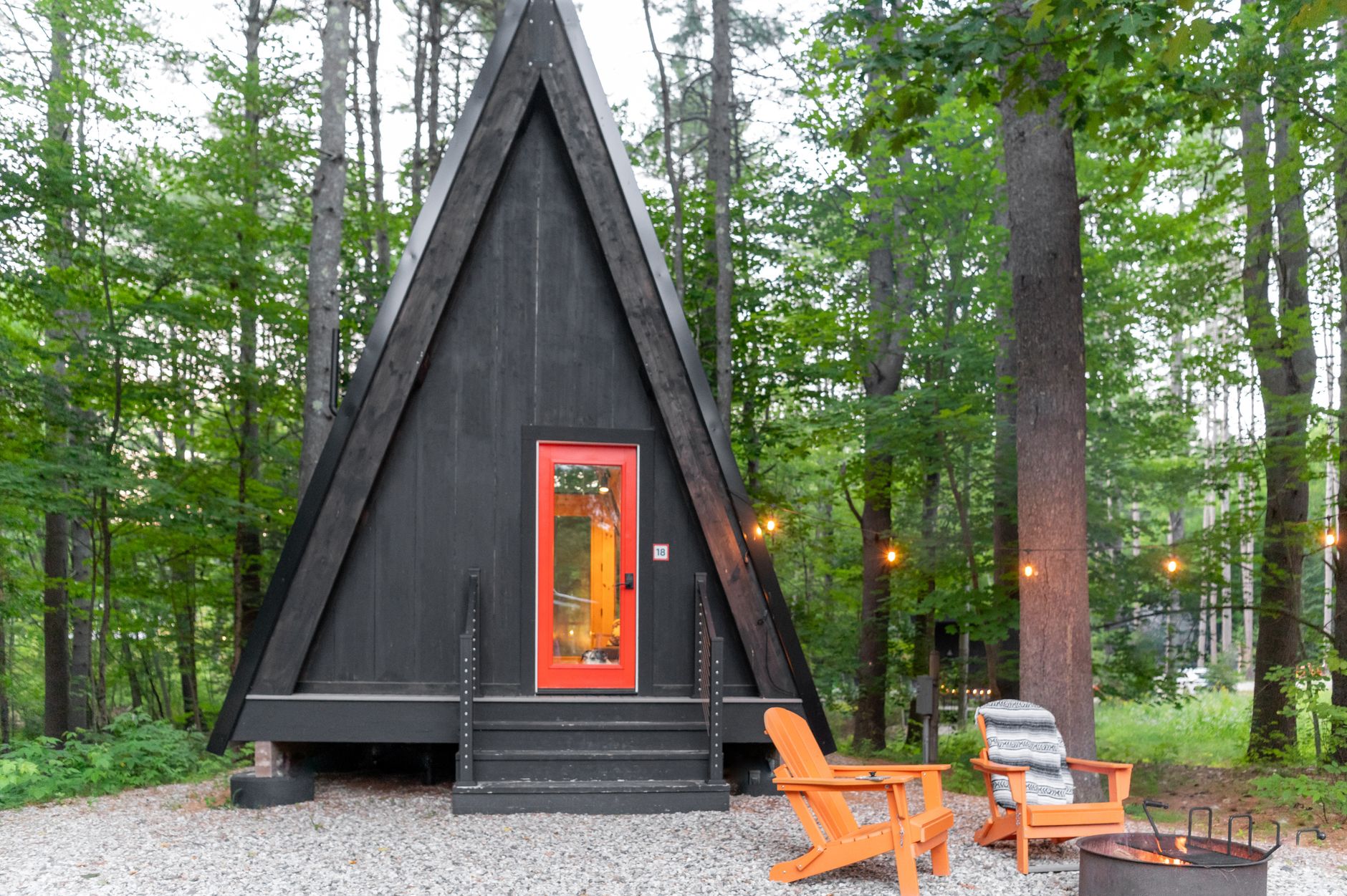
Airbnb housing projects are set to receive a significant boost as the company commits $250 million to help stalled developments get built. This initiative aims to address housing shortages in the U.S.
Overview of Airbnb’s housing initiative
In a significant move to address the ongoing housing crisis, Airbnb has announced a commitment of $250 million to support stalled housing projects across the United States. This initiative aims to expedite the development of affordable and sustainable housing options, providing much-needed relief to communities in need.
Airbnb’s housing projects are designed to tackle the challenges faced by various localities, particularly in urban areas where housing shortages are prevalent. By collaborating with local governments and developers, Airbnb seeks to remove the barriers that have hindered construction efforts.
The first allocation of funds, amounting to $6.4 million, will be directed towards specific projects that demonstrate potential for rapid completion. This financial backing not only aims to boost the construction industry but also to create job opportunities and stimulate local economies.
With its commitment to these housing initiatives, Airbnb is positioning itself as a key player in the fight for affordable housing, underscoring the importance of accessible living spaces for all individuals.
Impact on U.S. housing market
The recent commitment of $250 million by Airbnb to assist stalled housing projects is poised to have a significant impact on the U.S. housing market. By focusing on revitalizing underdeveloped areas and supporting local economies, these Airbnb housing projects aim to alleviate some of the strains currently faced by the housing sector.
Experts believe that this investment could potentially:
- Increase Housing Supply: With more projects being completed, the overall availability of housing units could rise, helping to meet the growing demand.
- Stabilize Local Markets: By turning unfinished developments into viable living spaces, Airbnb’s initiative may help stabilize property values and contribute to neighborhood revitalization.
- Encourage Economic Growth: Completed housing projects can lead to job creation and stimulate local businesses, fostering a more robust economic environment.
While the effects of Airbnb housing projects will take time to manifest fully, the initial funding signals a proactive approach towards addressing housing shortages across the nation. Stakeholders are optimistic that this commitment will inspire other investors to follow suit, ultimately benefiting communities nationwide.
Details of the $250 million commitment
Airbnb’s $250 million commitment aims to revitalize stalled housing projects across the United States, directly addressing the ongoing housing crisis. This substantial investment is expected to facilitate the construction of affordable housing units, making a significant impact on the availability of housing in urban areas.
The initiative will focus on several key areas:
- Financial Support: Airbnb will provide critical funding to developers facing financial hurdles, ensuring that projects can move forward.
- Partnerships: The company plans to collaborate with local governments and nonprofit organizations to identify and expedite projects that align with community needs.
- Incentives for Developers: By offering incentives, Airbnb hopes to attract more builders to participate in the housing projects, which could lead to a quicker turnaround time.
- Long-term Goals: The $250 million commitment is not only about immediate construction but also aims to foster sustainable housing solutions that can adapt to changing community dynamics.
Through these strategic efforts, Airbnb’s housing projects seek to create a lasting impact, ensuring that more individuals and families have access to affordable housing options.
First $6.4 million allocation
Airbnb has announced its first allocation of $6.4 million as part of its broader commitment to support housing projects across the United States. This initial funding aims to revitalize stalled housing developments, providing much-needed financial assistance to local communities. The focus of these funds is to foster collaboration between builders and municipalities to expedite the construction of affordable housing units.
The $6.4 million will be directed toward a variety of projects, including the development of mixed-income housing and community-centric living spaces. This funding is expected to create numerous job opportunities and stimulate local economies. By addressing the critical need for housing, Airbnb’s housing projects initiative seeks to alleviate some of the pressures faced in the housing market.
Local leaders have expressed optimism about this commitment, noting that such investments can lead to transformative change. Airbnb’s dedication to housing projects not only reflects its corporate responsibility but also highlights the potential for innovative solutions to the housing crisis. The company aims to demonstrate that public-private partnerships can effectively contribute to solving complex housing challenges.
Challenges in stalled housing projects
Despite Airbnb’s significant $250 million commitment to support stalled housing projects, various challenges continue to hinder progress. Many of these projects face complex regulatory hurdles that can delay or even halt construction. Local governments often impose stringent zoning laws that are difficult to navigate, making it challenging for developers to move forward.
Additionally, financial constraints play a critical role in the stagnation of many housing initiatives. Developers frequently struggle to secure adequate funding, which is exacerbated by rising material costs and labor shortages. These economic factors not only slow down the construction process but also threaten the feasibility of projects that aim to revitalize communities.
Another concern is community opposition. Some neighborhoods resist new developments, fearing changes to their local environment or increased traffic and congestion. This opposition can lead to lengthy public hearings and additional regulatory scrutiny, further delaying housing projects.
To effectively address these challenges, Airbnb must engage with local stakeholders and policymakers, ensuring that the benefits of its housing projects are clearly communicated and that concerns are addressed in a transparent manner.
Future of affordable housing with Airbnb
The future of affordable housing is increasingly tied to innovative solutions, and Airbnb housing projects represent a significant step forward. By committing $250 million, Airbnb aims to address the critical shortage of affordable homes across the United States. This initiative not only focuses on funding but also on fostering a collaborative approach with local governments and developers to revive stalled projects.
As cities grapple with rising housing costs, the need for practical solutions has never been more urgent. Airbnb’s commitment signals a shift towards utilizing existing resources and partnerships to enhance housing availability. This strategy could lead to the revitalization of neighborhoods and the creation of diverse living options for residents.
Moreover, Airbnb housing projects have the potential to stimulate local economies by creating jobs in construction and related sectors. With the initial $6.4 million allocation already setting the stage, there is optimism that these endeavors will pave the way for more sustainable housing solutions.
As stakeholders come together, the future of affordable housing may be brightened by innovative approaches like those spearheaded by Airbnb.
Airbnb housing projects are set to transform communities by providing affordable living options for those in need. This $250M commitment to build will support various initiatives focused on sustainable development within the realm of Airbnb housing projects.
Photo by Andrea Davis on Pexels
Where this came from
Related reading
- DESOLUS launch date: Exciting news for gamers!
- Foldable iPhone Launch: The Best Smart Device Experience
- Gaming Hospitality Trends: The Best Proven Strategies
About the Author